Chicken contains many nutrients that babies need to thrive, including vitamins B6 and B12, iron, zinc, choline, selenium, and vitamin B3. Together, these nutrients help support antioxidant activities, fuel cell energy, create healthy blood, promote a strong sense of taste and smell, and boost brain health. Chicken is also a great source of protein, with the full spectrum of amino acids that help develop a growing baby’s brain, muscles, nervous system, heart, skin, and hair. There are many labels for chicken. Free-range, organic, vegetarian-fed, cage-free, pasture-raised… What do they mean, and which one is best? Labels can help consumers, but sometimes they can be misleading. Some chickens are “vegetarian-fed”, which suggests a certain quality, but the label often means the birds are eating commodity grains like corn and soy. “Free-range” and “cage-free” chickens have access to the outdoors where they can eat a more natural diet of worms and bugs in addition to plant-based ...
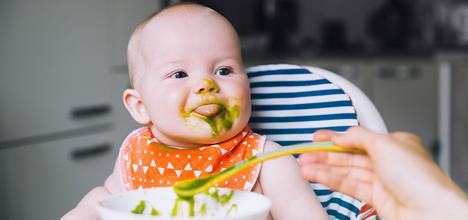

Usually, broccoli is generally avoided as the first vegetable that a baby is introduced to. The digestive system of a baby takes time in getting used to solids. The right time to add broccoli to your baby’s diet is at the age of 10 months old or more. Broccoli might also cause gas in certain babies, so if your baby shows such signs, it is best to delay it further.
Here are some of the benefits of feeding broccoli to babies.
1. Improves Immunity
The greatest thing about broccoli is its tendency to provide a strong boost to the strength of the immunity system. A good amount of vitamin C is present in broccoli. This not only is extremely crucial in strengthening the building blocks of the immune system, but also supports the overall health of the baby, and builds resistance to fight the onslaught of diseases.
2. Develops Eyesight
Another constituent that is present in broccoli in a good amount is vitamin A. Along with the combination of beta-carotene, vitamin A acts directly on making the eyesight of the baby better and sharper. These are further complemented by smaller B-complex vitamins and minerals such as phosphorous, which play a key role in keeping the eyesight healthy.
3. Reduces Anaemia
Our blood vessels contain an important entity called haemoglobin. The core function of haemoglobin is to transport oxygen to various parts of the body via the blood vessels. The development of haemoglobin is completely dependent on the presence of iron in the body, without which a person is termed anaemic. One of the main minerals that broccoli contains is iron, and increasing the amount of iron present in the body helps boost haemoglobin development.
4. Treats Gastric Ulcers
To digest the food consumed, the stomach needs to produce an acid that helps in breaking down the food successfully for the intestine. If the acid production is uncontrolled, the resulting acidity can cause ulcers to form in the gastric portion of the body. In such a condition, a soup made from broccoli can provide much-needed relief to your baby from such ulcers.
5. Rich in Antioxidants
Antioxidants are essential for the body to maintain a healthy balance of all constituents within itself. These also help in detoxing the body and take care of any metabolic free radicals, protecting the cells and tissues of the body. Broccoli is full of such antioxidants, and adding it to your little one’s diet is highly recommended.
6. Reduces Constipation
For any kind of digestive or constipation problems, including fibres and stimulating bowel movement to your baby’s diet, are great ways to take care of these issues. Broccoli contains fibre, which works as a laxative and helps relieve constipation. It helps by absorbing extra moisture and flushing out any impurities, stimulating the digestive process, and keeping the system healthy.
Comments
Post a Comment